In this article
Less knee pain does not, by itself, prove cartilage regeneration. That distinction matters when Bali readers compare BPC-157 and hyaluronic-acid claims: a symptom report, a functional task and a structural image describe different outcomes. They should remain separate even when a headline uses the single word “recovery.”
Ask which outcome was measured
The BPC-157 knee paper was a small retrospective report of clinic treatment for multiple types of knee pain. It involved intra-articular administration, alone or with thymosin beta-4. Its design is not a randomized demonstration that a catalogue blend pen rebuilds cartilage or outperforms hyaluronic acid.
The AAOS knee OA guideline does not recommend intra-articular hyaluronic acid for routine use in symptomatic knee osteoarthritis. That recommendation should not be inverted into evidence that a different compound repairs joint structure. Each proposed benefit needs its own relevant evidence.
Keep three outcome columns
| Outcome | What could describe it? | What it does not prove alone |
|---|---|---|
| Pain | A defined symptom assessment | Cartilage regrowth |
| Function | A specified movement or activity measure | The cause of improvement |
| Structure | Relevant imaging or another structural assessment | Every aspect of pain or daily ability |
The timing also matters. A short-term symptom change and a later structural finding are not interchangeable follow-up points. A before-and-after story without a suitable comparator cannot isolate which part of care produced the change.
A clearer Bali recovery record
When discussing knee concerns, describe the actual limitation: discomfort during an activity, restricted movement or a finding on a report. Retain the original assessment and its date. Avoid renaming a pain improvement as tissue repair unless there is appropriate evidence for that specific structural claim.
The BPC-157/TB-500 product page provides the blend's catalogue identity, and the catalogue helps locate other entries. Neither supplies a structural outcome study of the listed pen or instructions for a joint procedure.
Outcome questions
Can pain improve without demonstrated cartilage growth?
Yes. They are different outcomes.
Does an imaging change explain all symptoms?
Not automatically. Structural and clinical findings need interpretation together.
Was a cartilage-repair advantage over HA established?
No such head-to-head conclusion is established by the sources discussed here. Keep the proposed outcome attached to the actual study design.
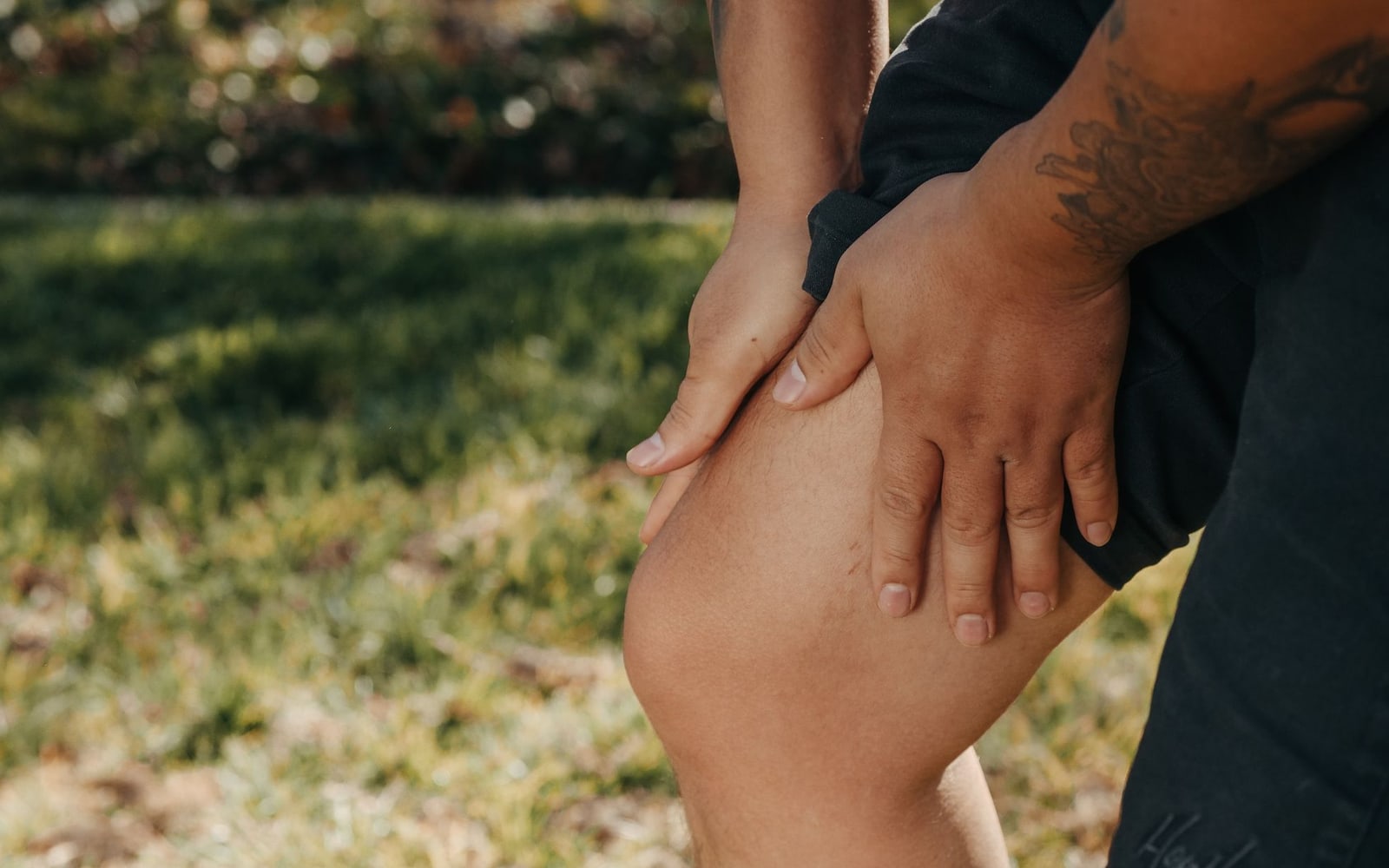
Photograph: Kindel Media · Pexels. A knee or knee assessment, illustrating the discussion of pain, function and diagnosis. Illustrative stock photograph; it does not show the study preparation or its results.
Sources
- Intra-Articular Injection of BPC 157 for Multiple Types of Knee Pain
- Management of Osteoarthritis of the Knee (Non-Arthroplasty), Third Edition
Source and editorial checks completed. How these articles are prepared.