In this article
BPC-157 and PRP are different interventions, even when both are discussed around tendon recovery in Bali. BPC-157 is a defined peptide. PRP is a preparation derived from blood. The comparison only becomes useful when the tendon condition and desired outcome are identified.
Identify the actual intervention
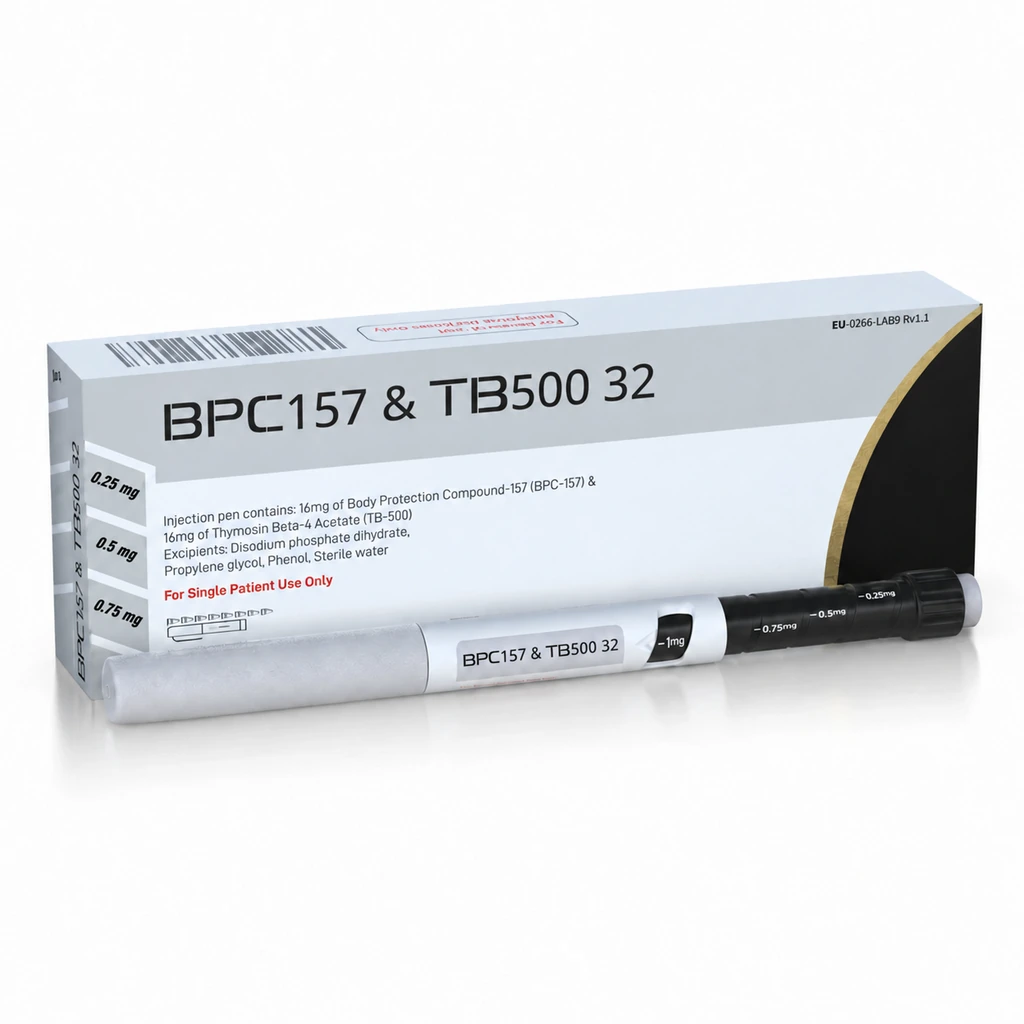
The catalogue item contains BPC-157 and TB-500. A paper about BPC-157 alone is therefore not automatically evidence for the finished combination. PRP is also not a uniform product name: preparation and clinical protocol are relevant details.
| Research question | Detail that must stay visible |
|---|---|
| BPC-157 tendon experiment | Model system and measured cell behaviour |
| PRP clinical trial | Diagnosed condition, protocol and comparator |
| Catalogue blend | Both named ingredients and the actual presentation |
| Return to activity | A functional outcome, not just a laboratory marker |
What the papers contribute
The BPC-157 tendon study examined rat tendon explants and cultured tendon fibroblasts, including migration and survival. It did not test a retail blend for human return to sport.
The randomized PRP study concerned chronic midportion Achilles tendinopathy and did not show improved tendon dysfunction at six months versus sham injection. This is evidence about a particular clinical question, not every possible use of PRP.
These findings should be described at the level they actually measure. Experimental cell results should not become a guaranteed healing time, and a clinical trial should not be reduced to the statement that a procedure has been studied without explaining its result.
Compare the outcome you actually care about
For someone training in Bali, the goal may be a return to running, surfing or comfortable daily activity. Pain, imaging and function are different measures. A change in one does not automatically establish every other aspect of recovery.
Ask whether the cited evidence matches the diagnosis and outcome. If the condition has not been assessed, that uncertainty is more important than deciding which product has the more impressive description. This guide does not suggest an injection protocol or a combination of procedures.
Prepare the local discussion
Bring the relevant diagnosis, imaging report and previous rehabilitation history to a qualified clinician. Explain what activity is limited and whether the symptoms are changing. If you will leave Bali soon, ask how follow-up would continue rather than treating the departure date as a recovery target.
For a product enquiry, specify the full blend name and ask about its label and documents. The shop identifies current formats, while the journal gives other research comparisons. A seller's product information and a clinician's assessment answer different parts of the question.
FAQ
Is PRP a form of BPC-157?
No. Their ingredients, preparation and research questions differ.
Can BPC-157 cell findings prove a blend's clinical effect?
No. Both the experimental model and the additional blend component change the claim.
Does the PRP trial cover all tendon injuries?
No. It concerned a defined chronic Achilles condition. Other diagnoses need appropriately matched evidence.
Sources
- The promoting effect of pentadecapeptide BPC 157 on tendon healing involves tendon outgrowth, cell survival, and cell migration
- Effect of Platelet-Rich Plasma Injection vs Sham Injection on Tendon Dysfunction in Patients With Chronic Midportion Achilles Tendinopathy
Source and editorial checks completed. How these articles are prepared.