IGFBP-3 reference ranges in Bali: what age and assay change
Understand why age and the laboratory reference interval matter for IGFBP-3 reports discussed alongside CJC-1295/ipamorelin in Bali.
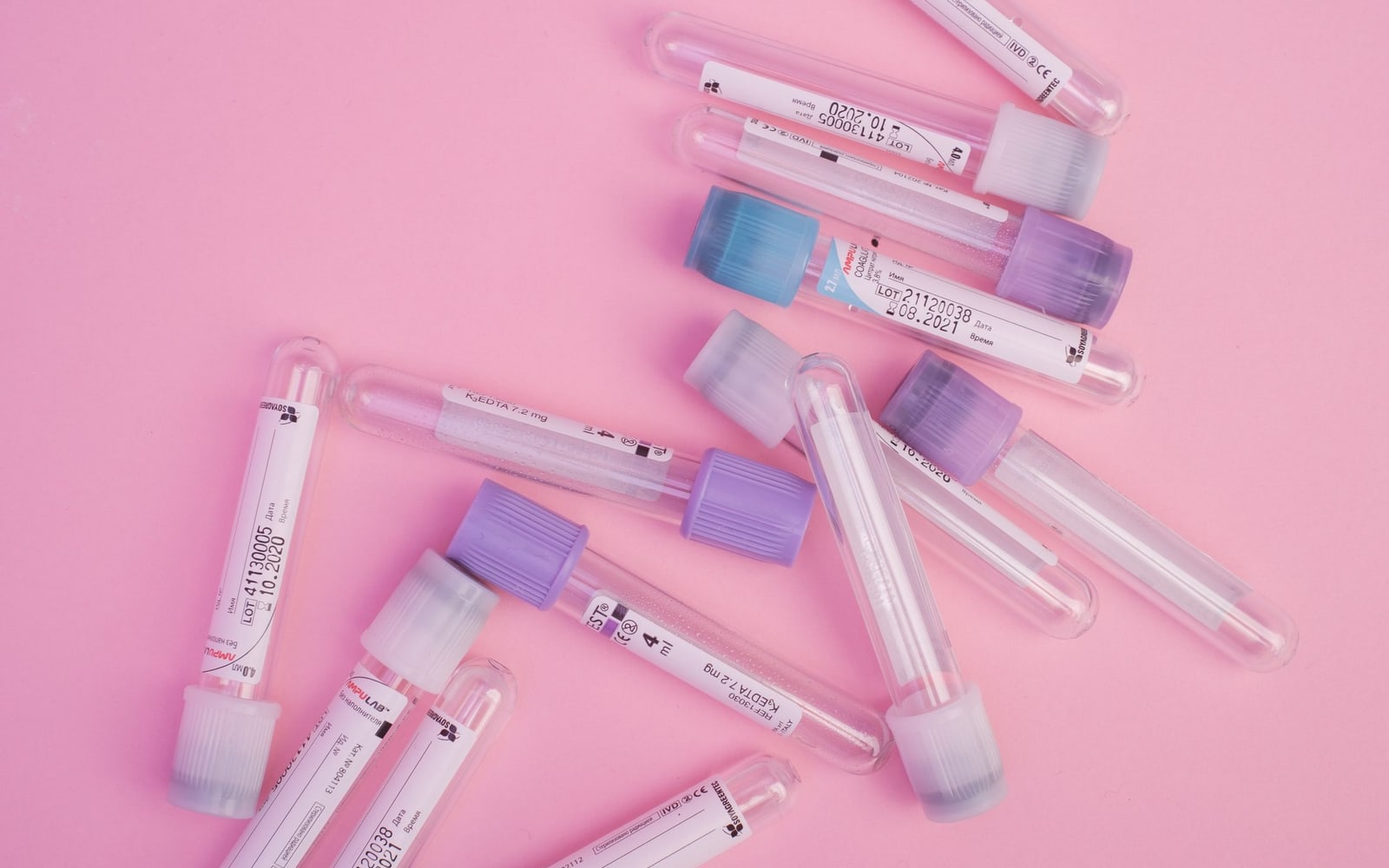
The reference interval printed beside an IGFBP-3 result is part of the result. For a Bali reader interested in CJC-1295/ipamorelin, comparing a number with someone else's screenshot can hide differences in age and laboratory method.
Use the interval on the actual report
Mayo Clinic Laboratories emphasizes age-dependent reference ranges for IGF-1 and IGFBP-3. That is a reason to keep the report's context, not a reason to choose an online “optimal” target from another person's result.
A reference interval describes a laboratory's comparison framework. It is not a performance score or a product-dosing chart. Being higher within a printed range does not by itself establish a better outcome for an individual.
What belongs in your notes?
| Detail | Keep it with the value |
|---|---|
| Age information | The context used for the interval |
| Units and assay | The measurement system |
| Clinical question | Why the result was requested |
If your clinician requested the test, bring the original report and the reason for testing. If a report came from a different country, do not replace its reference interval with one found on a web page. Ask how the two reports should be interpreted together.
Connect the source carefully
The CJC-1295 study investigated hormone secretion in healthy adults using a specified long-acting preparation. It does not supply an individualized target for an IGFBP-3 result or validate a different blend.
The same number can arrive with different reference information
A reference interval describes results expected in a defined reference population using a particular laboratory method. Consider two reports with the same printed result. One was issued for an adolescent and the other for an older adult. The number alone is insufficient to decide whether either laboratory would flag the measurement. That is why a copied table without its age bands and units can be less useful than the original report.
The Mayo Clinic Laboratories IGFBP-3 entry illustrates how a laboratory publishes age-specific information for its assay. It is an example for reading a report, not a replacement reference table for a result issued in Indonesia. If a Bali laboratory used a different method, it is the local laboratory or treating clinician who can explain the appropriate comparison.
Three fields that are easy to cut off a screenshot
| Part of the report | Why it matters |
|---|---|
| Complete analyte name | IGFBP-3 is a binding protein; IGF-1 is a different laboratory test |
| Result, unit and reference interval | A number copied without these cannot be placed against the laboratory's scale |
| Collection date and age band | A past result and a current result may fall under different reference information |
Imagine that one report says “IGF binding protein 3,” while the second says simply “IGF-1.” It is possible for both to be relevant to one endocrine assessment. They still cannot supply the first and last points of an IGFBP-3 trend. Keep them in adjacent columns and leave a blank when one of the tests was not performed.
What to bring if two clinics disagree
For a move from a clinic abroad to one in Bali, ask each for the original PDF, including its interpretive notes. If the same test was performed on consecutive visits, ask whether the laboratory or method changed. A written answer to that question is more useful than a stranger's result from a different age group.
A catalogue that lists CJC-1295 and ipamorelin can supply a product name to discuss. It does not establish that a change in a laboratory result was caused by the product or that a particular reference value is a target. Report medicines and other products to the clinician independently of the numbers.
The CJC-1295/ipamorelin catalogue page offers product context. The journal helps with names and concepts, while the clinician interprets the laboratory result. Keeping those roles clear makes a Bali consultation more productive without turning another person's numbers into your own goal.
Which age should I use when reading an old report?
Keep the age on the date of sample collection with that report. If you return to the result years later, the current age may place the patient in a different reference band. When a printed interval seems inconsistent with the report details, ask the issuing laboratory to clarify how it selected the interval rather than choosing a replacement from a website.
