In this article
The word “ceramide” on two labels does not make the products clinically equivalent. The same applies to GHK-Cu appearing in both topical research and pen listings. For Bali readers comparing skin-related options, the complete formulation and the way it was used are more informative than a featured ingredient alone.
A regimen is more than its headline ingredient
The ceramide-dominant regimen trial used both a moisturizing cream and a cleanser for 28 days in adults with moderate eczema. Barrier and hydration findings belong to that tested regimen. The paper cannot isolate every component's contribution or establish that any other ceramide-labelled cream will produce the same findings.
The authors also disclosed manufacturer-related conflicts. That does not erase a study, but it is useful context when interpreting a product-specific experiment. A comparison should retain the design and measured results alongside the ingredient name.
Read these details together
| Label or paper detail | Why retain it? |
|---|---|
| Full formulation | Other ingredients may affect performance and tolerance |
| Cream plus cleanser | The intervention was a combined regimen |
| Eczema population | The participants were not every skin type |
| Topical or pen format | A route change creates a different evidence question |
The topical copper tripeptide study tested post-laser care, with 13 completing participants. Its setting, preparation and endpoints differ from the ceramide trial. Neither study provides a direct comparison of a catalogue GHK-Cu pen with a daily ceramide cream.
Put the Bali comparison on one page
Save an ingredient-list photo, the actual format and the concern you want to discuss. If a product was used after a procedure, keep that instruction separate from ordinary daily skincare. Avoid assuming that a named ingredient determines concentration, stability, route or suitability.
The GHK-Cu product entry describes the catalogue format. The catalogue is useful for matching names, while the research papers show what was actually tested. Reading the two together should make the differences clearer rather than hide them.
Ingredient questions
Can I attribute the entire regimen result to ceramides?
Not from this design. The complete cream-and-cleanser intervention was studied.
Is the same ingredient name enough to establish equivalence?
No. Formulation and route still matter.
Does a declared conflict invalidate every finding?
No. It is context to retain alongside the methods and limits, rather than a reason to replace the findings with a blanket claim.
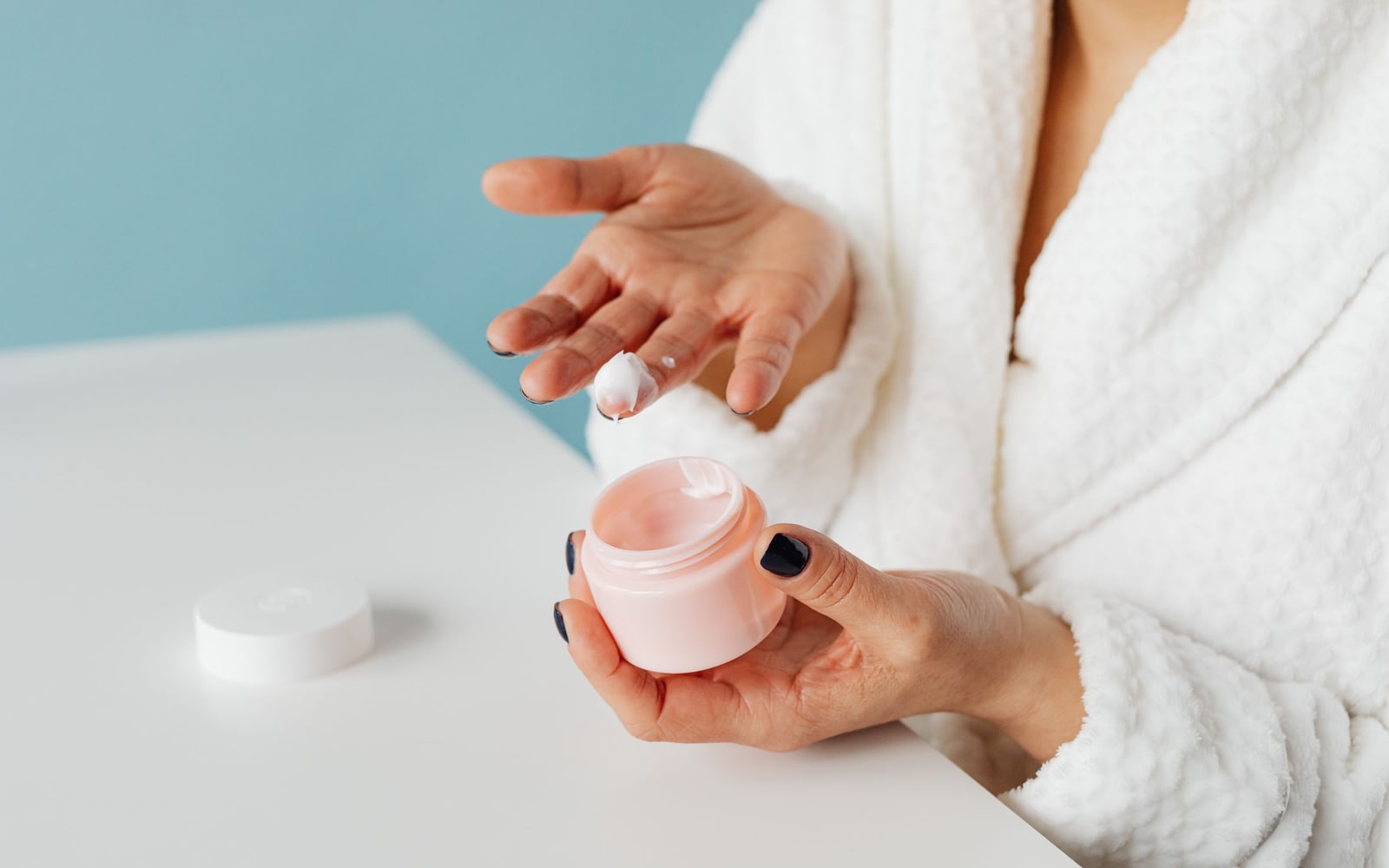
Photograph: https://kaboompics.com/ · Pexels. Topical skincare, illustrating the discussion of formulation and skin outcomes. Illustrative stock photograph; it does not show the study preparation or its results.
Sources
- Effects of topical copper tripeptide complex on CO2 laser-resurfaced skin
- A daily regimen of a ceramide-dominant moisturizing cream and cleanser restores the skin permeability barrier in adults with moderate eczema: A randomized trial
Source and editorial checks completed. How these articles are prepared.