
In this article
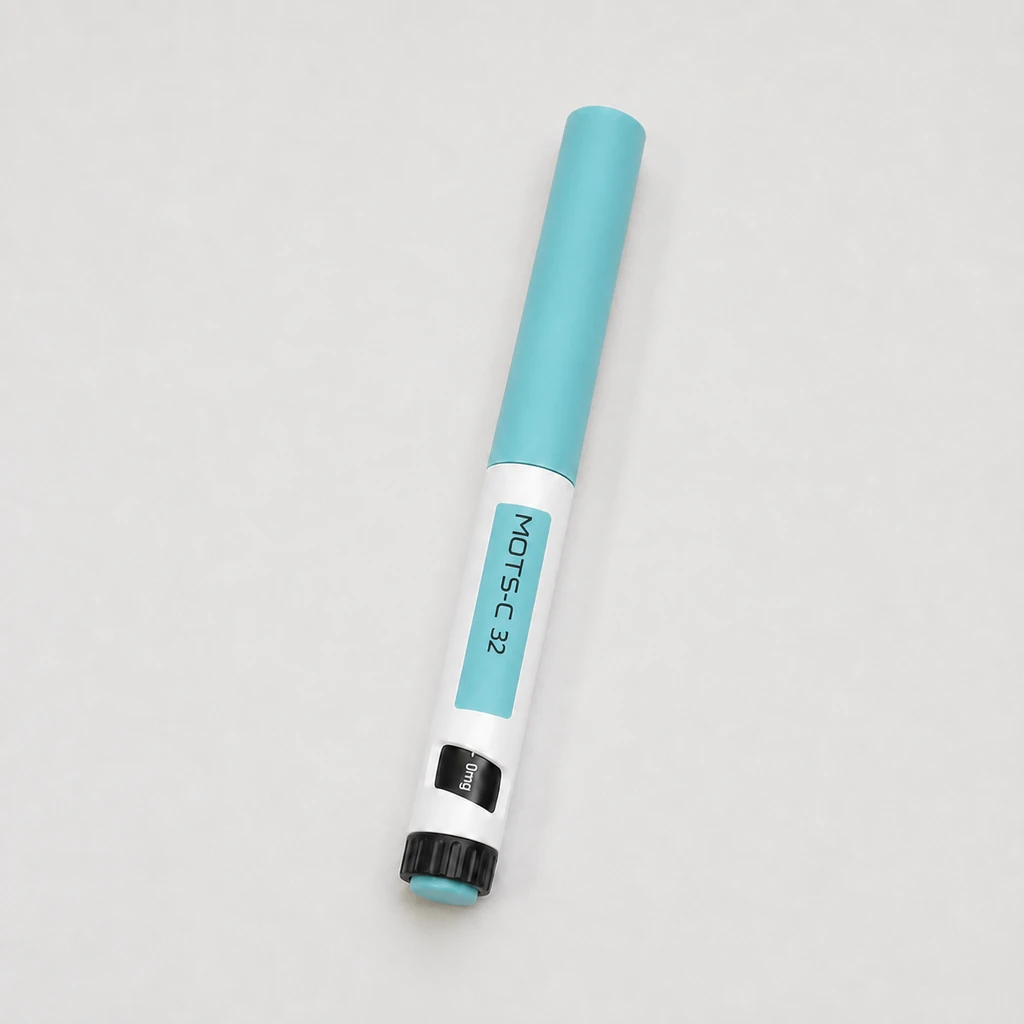
MOTS-C is a mitochondrial-derived signalling peptide; NAD+ is a coenzyme, not a peptide. Both appear in discussions of cellular energy, but they are not interchangeable products and there is no valid milligram-for-milligram comparison. For a Bali buyer, the important differences are molecular role, what was measured in research and the exact format offered.
MOTS-C vs NAD+: what are you comparing?
| Feature | MOTS-C | NAD+ |
|---|---|---|
| Molecular category | Peptide | Coenzyme |
| Research focus | Mitochondrial signalling and responses to metabolic stress | NAD metabolism and associated biochemical processes |
| A relevant evidence distinction | Natural changes after exercise versus administered product | Metabolite changes versus a meaningful health outcome |
| Listed pen | 32 mg | 1000 mg |
The format numbers describe total labelled contents. They do not mean NAD+ is many times more effective, or that a smaller mass of MOTS-C supplies the same effect. The molecules are not units on one potency scale.
What the MOTS-C research can tell you
The Nature Communications study includes observations of naturally occurring MOTS-C around exercise in humans, alongside experimental work. Observing a change after exercise is not the same experiment as administering a retail pen and showing that it reproduces training benefits.
That is the key distinction behind “exercise mimetic” language. A research description of signalling does not establish that a pen replaces activity, improves a particular workout or treats unexplained tiredness. Our MOTS-C exercise article examines the outcome question in more detail.
What the NAD+ research can tell you
A small intravenous NAD+ pilot study measured plasma and urine metabolites during an infusion. That is useful pharmacological context, but it is not a clinical trial showing that a subcutaneous NAD+ pen improves energy, reverses aging or produces the same exposure as an infusion.
Three questions must stay separate: whether the molecule is involved in a biological process, whether administration changes a measured marker and whether people experience a useful clinical benefit. A positive answer to the first does not automatically answer the other two.
What Feel Good Mode actually brings together
The Feel Good Mode bundle contains a NAD+ 1000 mg pen and a MOTS-C 32 mg pen. It brings two catalogue items together; it does not turn them into one premixed formula. Each product retains its own identity and documentation.
The rationale for discussing them together is their connection with metabolic research through different molecular roles. That is a clear description of the pairing. It is not evidence of clinical synergy, an agreed combined regimen or a result that can be promised to a customer.
FDA's information on selected peptide substances notes substantial human-safety information gaps for MOTS-C. A polished comparison chart cannot fill those gaps, and a bundle name does not change them.
Make an energy-related enquiry useful in Bali
“More energy” is too broad to judge a product. A person might mean less daytime sleepiness, improved tolerance of training, recovery after travel or a laboratory finding. Name the actual question before comparing compounds; otherwise the same vague word can make different claims appear equivalent.
For a product enquiry, specify whether you mean MOTS-C alone or the two-pen bundle, and ask about the matching documents. For persistent fatigue or a new change in function, seek a clinical assessment of the symptom rather than selecting a molecule from a category label. The catalogue can establish what an item contains, not the reason someone feels tired.
Questions readers ask
Are MOTS-C and NAD+ two ways to do the same thing?
No. Their molecular categories and research questions differ. Shared mention of mitochondria does not make them substitutes.
Does the bigger NAD+ number mean a longer or better effect?
Not by itself. It states content, not a duration or clinical outcome. Comparisons across different molecules cannot be made from the label mass alone.
Is the bundle a tested combined treatment?
The catalogue pairing is not a trial result. Evidence for individual ingredients does not establish benefit or safety for their combined use.
Sources
- MOTS-c is an exercise-induced mitochondrial-encoded regulator of age-dependent physical decline and muscle homeostasis
- A Pilot Study Investigating Changes in the Human Plasma and Urine NAD+ Metabolome During a 6 Hour Intravenous Infusion of NAD+
- Certain Bulk Drug Substances for Use in Compounding that May Present Significant Safety Risks
Source and editorial checks completed. How these articles are prepared.