In this article
When comparing NAD+ with CoQ10 in Bali, identify the full intervention before comparing an energy claim. NAD+, NADH and CoQ10 are not interchangeable names, and a study of two oral ingredients together does not establish the effects of a different product format.
Three details that change the answer
The chemical form, route and combination matter. NAD+ and NADH are related redox states, while CoQ10 is a different molecule. Their involvement in energy biology does not mean that externally supplied products produce the same clinical outcome.
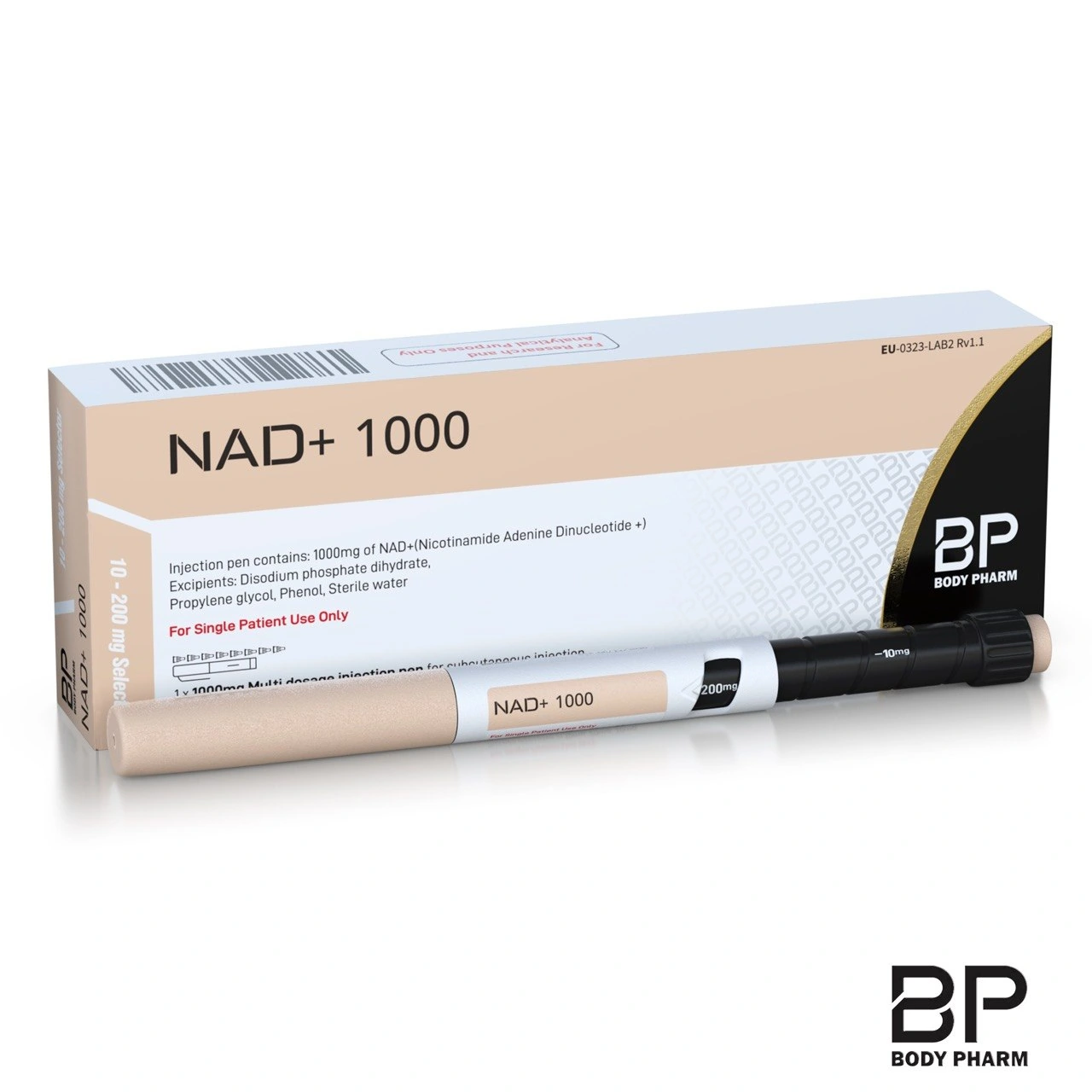
The NAD+ pen listing identifies the catalogue format. It should not be silently substituted for the intervention in a paper that studied something else.
| Paper or product | What it actually concerns |
|---|---|
| Oral CoQ10 plus NADH trial | A combination in a specified patient population |
| Intravenous NAD+ pilot | Metabolism during a particular infusion |
| NAD+ catalogue pen | A listed presentation requiring its own identification |
| General energy claim | A claim that needs a defined, relevant outcome |
The combination study is not a contest
The CoQ10 plus NADH paper studied an oral combination in chronic fatigue syndrome. It did not compare CoQ10 against an NAD+ pen. A result for the combination also does not automatically tell you how much each ingredient contributed.
Keeping these details visible prevents a common mistake: taking a familiar ingredient from a paper's title and attaching the result to every product with a similar name. The citation remains real, but the resulting product claim would no longer match it.
The infusion pilot asked another question
A small NAD+ infusion study measured changes in plasma and urine metabolites during six hours of intravenous administration. It contributes metabolic information under that protocol. It is not proof of a general fatigue benefit from the catalogue item.
A measurement can be scientifically useful without answering every consumer question. The relevant distinction is between what changed in the study and what someone hopes to feel after using a product.
Turn a Bali search into a useful enquiry
If persistent tiredness prompted the search, explain its pattern at a clinical review rather than assigning a coenzyme cause from a web page. If the question concerns a product, ask about its exact ingredient, presentation and documentation.
For people travelling between Bali and home, save the full label and any clinical interpretation. That is more useful than remembering only the phrase energy support. It also helps keep a product enquiry separate from advice about a medical concern.
The shop shows listed formats and the journal provides related comparisons. Neither an energy pathway nor a label quantity creates a direct comparison between unlike interventions.
FAQ
Is NAD+ the same as CoQ10?
No. They are different molecules despite their shared connection to cellular energy processes.
Can NADH evidence be relabelled as NAD+ evidence?
No. The form and full intervention used in the study matter.
Does a combination trial show which individual product wins?
Not automatically. That requires an appropriate direct comparison, not an inference from a mixture.
Sources
- Does oral coenzyme Q10 plus NADH supplementation improve fatigue and biochemical parameters in chronic fatigue syndrome?
- A Pilot Study Investigating Changes in the Human Plasma and Urine NAD+ Metabolome During a 6 Hour Intravenous Infusion of NAD+
Source and editorial checks completed. How these articles are prepared.