In this article
A lower glucose reading and a normal eye report are different pieces of information. For someone reviewing tirzepatide treatment in Bali, keeping both records makes the conversation clearer. A glucose trend describes blood sugar; an eye report describes what was examined and found at a particular appointment.
Keep two records instead of one reassuring label
Avoid combining everything into “diabetes improving”. That phrase does not tell a clinician whether you have previous diabetic retinopathy, when your eyes were last examined or whether symptoms have changed. Preserve the original wording of any diagnosis and the date of the report.
The Mounjaro prescribing information discusses monitoring people with previous diabetic retinopathy. It also describes the relationship between rapid glucose improvement and temporary worsening of retinopathy. This requires clinical context; it does not identify the cause of an individual's visual change.
| Record | Include | Keep separate from |
|---|---|---|
| Glucose history | Dated readings and relevant results | An eye diagnosis |
| Eye report | Examination type and findings | A remembered reassurance |
| New symptom note | Onset and description | A self-assigned explanation |
Find out what was actually examined
NIDDK explains that early diabetic eye disease can have no symptoms. Reading clearly does not establish that the retina is unaffected. Ask what the examination assessed rather than assuming a new glasses prescription covers every diabetes-related eye question.
If your report names a retinal condition, retain that exact name. It helps the next clinician distinguish routine screening from follow-up of known disease. Previous laser treatment, injections or procedures also belong in the medical handover if applicable; do not replace them with “eye treatment”.
Make the handover practical in Bali
Save the reports together with your medicine list and the contact details of your usual medical provider. Keep the travel dates visible so the clinician knows whether you will be available for a local follow-up. No particular clinic or appointment availability is established by this guide.
Sudden visual changes, flashes, many new floaters or a curtain-like shadow need urgent medical assessment. A stored report can help, but gathering documents should not delay urgent care.
The Tirzepatide product page and catalogue answer product-format questions. They do not interpret a retinal report or establish that a retail pen is interchangeable with a branded medicine's formulation.
Can I use a recent glucose result instead of an eye review?
The records answer different questions. Follow the eye-care plan advised for your circumstances and bring the glucose result as context.
Should I send the eye report to the shop?
A manager can clarify an order without interpreting a medical report. Share medical information with the appropriate clinician and only to the extent needed for care.
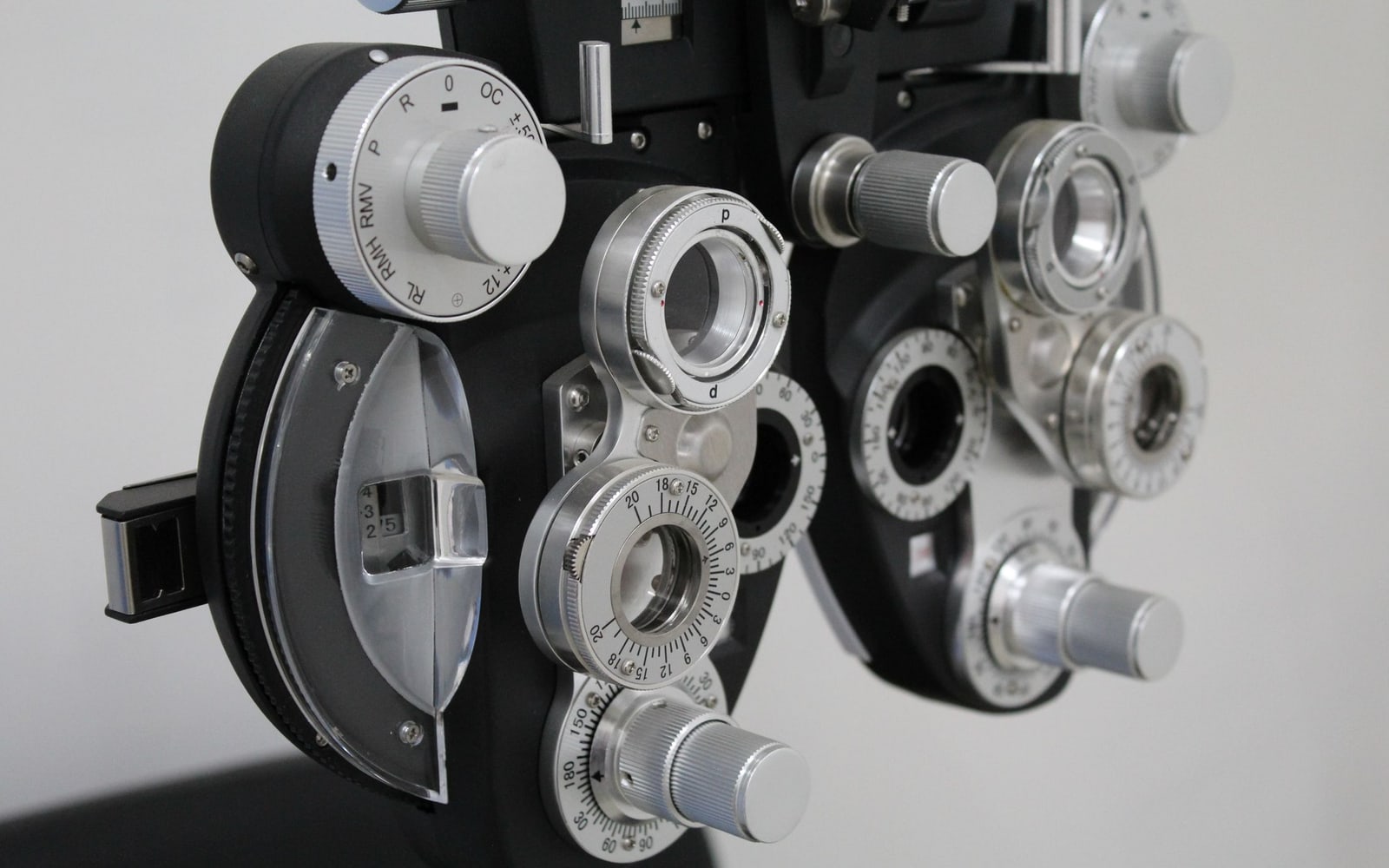
Photograph: VICTOR REGA · Pexels. Optometry equipment, illustrating eye-examination records and follow-up. Illustrative stock photograph; it does not show the study preparation or its results.
Sources
Source and editorial checks completed. How these articles are prepared.