
In this article
A short period without weight loss does not by itself establish that tirzepatide has stopped working. A plateau, a measurement change and an intentional maintenance phase are different situations. In Bali, the useful next step is to review the actual trend and treatment context, not automatically select a larger pen or add another compound.
What “plateau” meant in tirzepatide research
An exploratory analysis of SURMOUNT-1 and SURMOUNT-4 used a specific research definition involving weight change over successive 12-week intervals. That is very different from a few unchanged scale readings. The analysis also selected participants according to study criteria; it was not a test of every person who might buy a tirzepatide-labelled product.
The practical lesson is about definition, not a rule to wait a fixed number of weeks or change treatment on a particular date. Research categories help analyse groups. A clinical review must still consider the individual history and what outcome is being pursued.
Separate three questions before making a decision
| Situation | Useful question | Unhelpful shortcut |
|---|---|---|
| A few unchanged readings | Were measurements comparable? | “The product is inactive” |
| A sustained change in the trend | What has changed in the broader treatment context? | “I need a different peptide immediately” |
| A planned maintenance phase | Is the current goal being maintained? | Treating every stable weight as failure |
Start by checking that you are comparing like with like. A different scale after moving accommodation in Bali can introduce a new measurement context. An isolated reading and a trend are not the same record. Keep the dates and circumstances visible rather than choosing only the highest and lowest numbers.
A maintenance result is not the same as a stopping result
SURMOUNT-4 compared continuing tirzepatide with switching to placebo after an initial treatment period. Withdrawal was associated with substantial weight regain at group level. That study is relevant because “not losing more” and “no longer receiving treatment” are different conditions.
It does not supply a personal stopping, tapering or restarting plan. Nor does it mean everyone must pursue further loss indefinitely. The appropriate question is whether the treatment and current goal are still aligned, discussed with the clinician managing them.
Why a 60 mg pen is not a plateau strategy
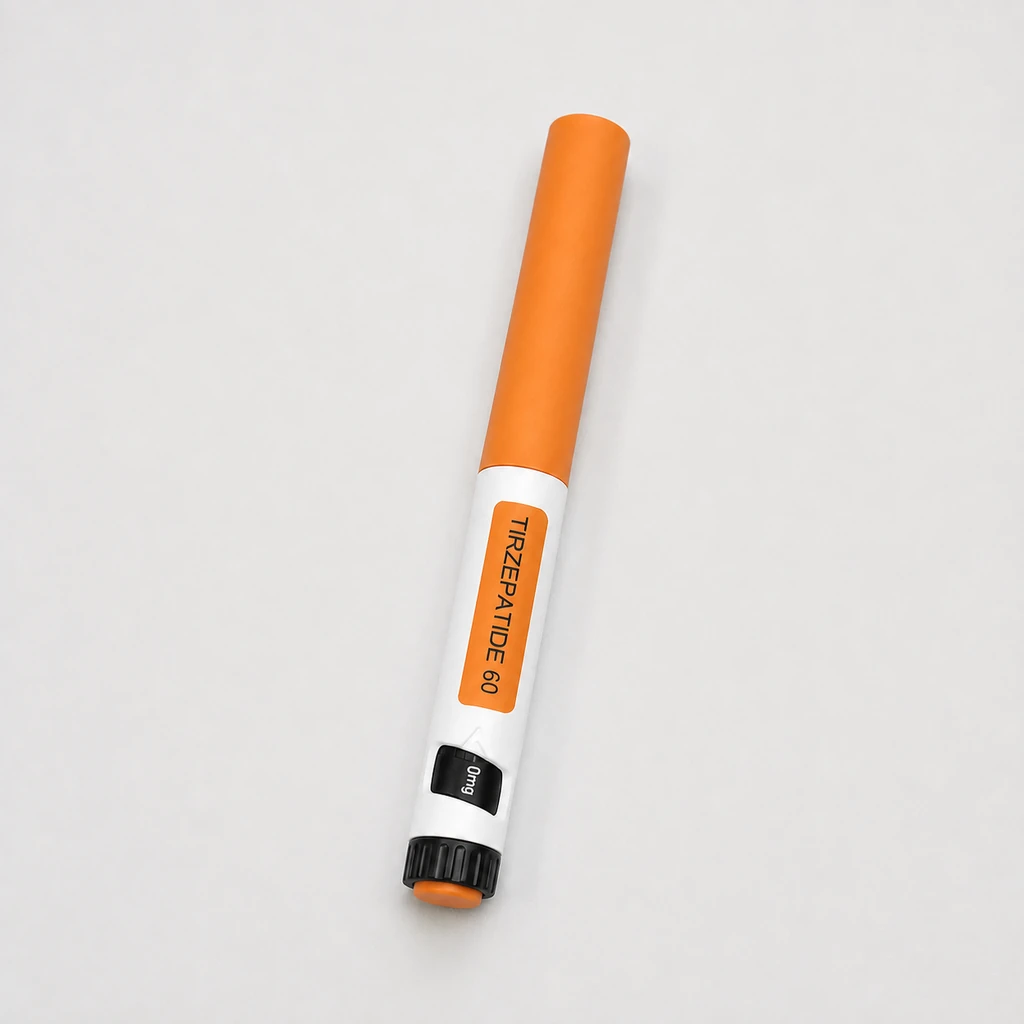
The tirzepatide catalogue page lists 30 mg and 60 mg formats. Those numbers state total labelled content. Selecting the larger format does not, by itself, establish a different clinical response or a suitable change in administration.
Our 60 mg format guide discusses the product-size decision separately. A quantity decision should not be used as a disguised treatment decision. The Zepbound prescribing information is also specific to that medicine; it is not a general instruction sheet for every catalogue pen.
Prepare a useful review while in Bali
Make one record that includes the dated weight trend, the exact current product, any clinician-directed changes, symptoms or tolerability concerns, and the goal you are trying to assess. If you changed accommodation, scales or the way you record results, note that too. A coherent record is more useful than a collection of selected screenshots.
For visitors, include the remaining trip dates and who will continue the review after departure. For residents, identify whether the concern is a recent deviation or a longer pattern. These details support continuity without turning a holiday deadline into pressure for a fast product change.
Persistent or concerning symptoms deserve medical attention independently of the weight trend. A plateau discussion should not reduce every new problem to whether the scale is moving. Likewise, a seller's explanation of available formats should remain separate from deciding what treatment to change.
Questions readers ask
Does one flat week prove a plateau?
No. It is a short observation, not the research definition or a diagnosis. Comparable measurements and the longer context matter.
Should I switch to retatrutide when weight stabilizes?
The plateau analysis does not establish that strategy. A different molecule introduces a different evidence and product question; a stalled trend is not an automatic switching instruction.
Can stable weight still be a useful result?
It can be consistent with a maintenance goal. Whether that is the intended outcome should be reviewed in the actual treatment context rather than assumed from an advertisement.
Sources
- Time to weight plateau with tirzepatide treatment in SURMOUNT-1 and SURMOUNT-4
- Continued Treatment With Tirzepatide for Maintenance of Weight Reduction in Adults With Obesity: SURMOUNT-4
- ZEPBOUND prescribing information
Source and editorial checks completed. How these articles are prepared.